Does Alcohol Actually Make Post-Night-Shoot Sleep Worse?
Often, yes. Alcohol can make it easier to fall asleep, but that is not the same as getting restorative sleep. It can fragment sleep later in the night, alter normal sleep patterns and leave you groggy when the alarm goes off. Exactly.. For film crews, that matters: after a night shoot, the challenge is not simply getting to bed. It is trying to sleep during the day, when the body is primed for wakefulness, then getting back to set safely.
That distinction is easy to lose in a culture where a drink after wrap can feel like a reward—or a way to switch off after a demanding call. But if you are counting the hours between wrap, the drive home and the next call, alcohol may be taking from the very sleep you need. The effects vary by person and amount, but the basic answer to “does alcohol make post-night-shoot sleep worse?” is that it can, even when it seems to help at first.
Why alcohol can feel helpful, then backfire
Alcohol is sedating. That can shorten the time it takes to fall asleep, which may make a drink seem useful after an intense night on set. But sedation is not the same as healthy sleep. As the body processes alcohol, sleep can become lighter and more interrupted. People may wake more often, spend less time in some restorative stages, or get up earlier than intended. Alcohol can also worsen snoring and breathing problems during sleep, particularly for people who already have them.
So the phrase alcohol fragments sleep is more useful than “alcohol helps me sleep.” A drink might knock down the first barrier—falling asleep—while making the rest of the sleep period less dependable. The size of the effect depends on factors including how much you drink, when you stop, your health, and your own response. There is no reliable number of drinks that guarantees uninterrupted sleep.
The timing problem after wrap
On a conventional daytime schedule, the body generally expects sleep at night. After a night shoot, a crew member may who needs sleep documentary be trying 19 hour day film set to sleep just as daylight, household noise, errands and family routines are beginning. The body’s internal clock does not instantly reset because production moved the call time. Alcohol does not solve that mismatch. It may make you drowsy while still contributing to poor-quality, broken sleep.
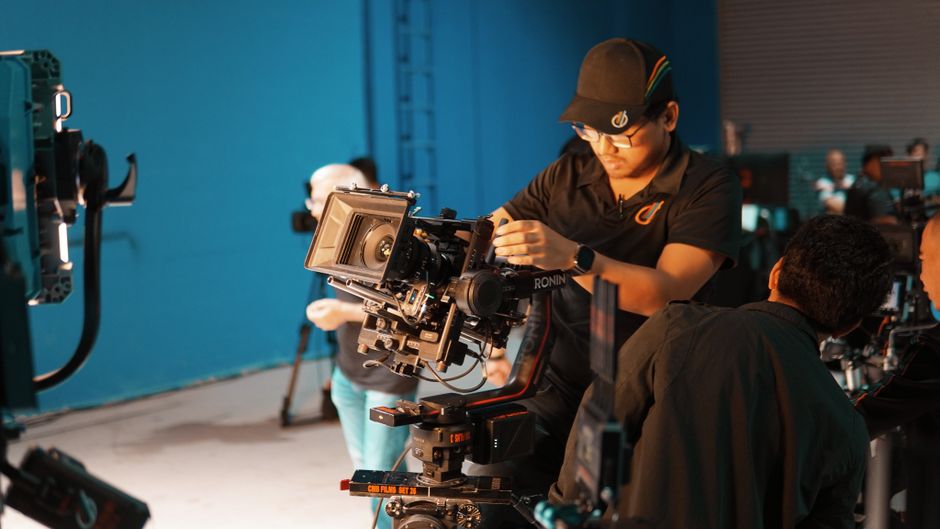
Other practical factors can pile on: a long drive, a bright walk from the parking area, a hot room, a noisy apartment, or the simple adrenaline of finally being off the clock. Hair and makeup may have been up hours before the rest of the crew and still have cleanup, kit care or a long commute ahead. If that department gets a short turnaround, adding alcohol to the sleep equation is not a neutral choice.
Real night, day-for-night and the changing image of darkness
Film and television have never had one simple relationship with night. When a scene needed to look dark but was shot in daylight, crews used day for night: exposure, filtration, contrast and other choices helped suggest nighttime. The technique has a long history, including in eras when shooting a scene at actual night was costly, difficult or impractical. It remains part of the filmmaking toolbox, though the look and methods vary by production.
Real night work has its own demands. A crew working outdoors may deal with cold, dew, limited visibility, traffic control and fewer hours of darkness than the script needs. Moving equipment, protecting cables and maintaining safe paths become especially important when much of the location is dim. “It’s a night shoot” describes the image goal, not the whole working condition.
Digital cameras and sensors have expanded what filmmakers can capture in low light. Modern systems can produce a usable image with less illumination than many older workflows required, and that can support a range of night aesthetics. But the technology does not make darkness effortless. A sensitive sensor cannot remove hazards from a dark roadway, shorten a company move, or make a tired grip more alert. Nor does low-light capability mean every production will work with minimal lighting: creative intent, exposure choices, lenses, movement and color all shape the result.
This distinction matters because the image may say “quiet, moody night” while the crew’s schedule says something else: a late wrap, a commute into morning traffic, and an attempt to sleep through daylight. The finished scene can conceal the hours and coordination that made it. It should not conceal the fact that the people who made it need adequate rest.
Night blocks move the clock, but not all at once
On a run of night calls, the body may adapt somewhat to a shifted schedule, especially if sleep and light exposure stay consistent. But adaptation is not automatic, and schedules often change before the body catches up. A production may move from days to nights, shoot several night calls, then switch back to days or finish with an early call. That schedule drift can make it harder to sleep at the right time and stay alert when needed.
For crew, the math is concrete. Wrap at 6 a.m., drive home, eat, settle down, then try to sleep before the afternoon. If the next call is late that evening, the available window may look generous on paper but shrink with commuting, meals and basic life. If the next call is early, a schedule flip can leave the body with little usable rest. Alcohol can further undermine sleep within that window.
A practical post-wrap routine
No routine can erase a short turnaround or a rapidly changing call sheet. Still, a few specific choices can make a planned sleep period more protected:
- Get home safely first. Do not drink before driving, and do not drive if you are impaired or too sleepy to do so safely. Consider a sober ride, taxi or other transport when needed.
- Make the sleep space dark and quiet. Blackout curtains or an eye mask, earplugs or steady background noise, and a cool room can help limit daytime interruptions.
- Reduce bright light on the way to bed. Sunglasses after a morning wrap may help some people avoid a strong light cue, but do not compromise visibility or safe driving.
- Keep the plan realistic. A short wind-down, a light meal if hungry and a consistent sleep window may be more workable than trying to overhaul every habit after a demanding shift.
- Ask production about the schedule. If the turnaround leaves inadequate time for commuting and sleep, raise the issue through the appropriate production or union channels. A sleep tip cannot substitute for a safe schedule.
Turnaround is a safety protection, not a perk
Turnaround—the time between a crew member’s release and the next required report—is one part of a larger safety picture. It needs to account for more than the minutes between wrap and call. People have to travel, eat, take care of basic needs and get actual sleep. A nominal rest period can be much shorter in practice when the location is far away or the workday ends at an awkward hour.
That is why crew safety shift is not just an individual wellness issue. Fatigue can affect attention, judgment and reaction time. Those are relevant on set, where people work around vehicles, lifts, moving gear, cables, power and changing locations. They matter off set, too. A crew member leaving after an overnight call may face a long drive when the body is pressing for sleep. No amount of personal discipline can fully compensate for a schedule that repeatedly leaves too little recovery time.
Producers and department heads can help by planning night blocks with realistic travel and reset time, communicating call changes early, and taking fatigue concerns seriously. The department taking the hit is not always the one with the longest visible setup. Hair and makeup may arrive early for cast prep, then remain through a late wrap. Assistant directors, camera, grip and electric teams may have different demands, but all need schedules that let people recover. The details differ by production and agreement; the safety principle does not.
What about CBD gummies or other sleep aids?
Some people look for an alternative to alcohol. CBD products are not a proven fix for post-night-shoot sleep, and evidence for using CBD to treat sleep problems remains limited. Products also vary, and CBD can interact with some medications or cause side effects. It may not be appropriate for everyone, including people who are pregnant or breastfeeding. Check with a qualified health professional, especially if you take medication or have a health condition.
For example, Joy Organics sells CBD gummies it describes as certified organic and publishes a batch report. Those are product details worth checking—not proof that a gummy will improve sleep, nor a substitute for medical advice. Read the current label and batch information, understand what is in the product, and follow applicable workplace rules. Do not combine CBD with alcohol or other sedating substances without professional guidance, and do not drive or operate equipment if you feel impaired.
It is also worth asking whether the problem is a product problem at all. If the sleep window is too short, the room is bright, the schedule keeps flipping, or the commute is draining, a supplement cannot create extra hours. Persistent insomnia, severe daytime sleepiness, loud snoring or episodes of gasping during sleep deserve a conversation with a healthcare professional.

So, should you skip the post-wrap drink?
If your priority is the best chance of consolidated sleep after a night shoot, skipping alcohol is the safer bet. At minimum, do not treat it as a sleep aid: it may bring sleep on faster while making the sleep period more fragmented. And never let a drink become part of the drive-home routine. The drive home drinking culture that sometimes gets framed as a harmless wrap ritual deserves a hard look, particularly when people are already tired and heading into morning traffic.
Night work is demanding by design, but exhaustion is not a badge of craft. The image may depend on darkness; the crew should not have to rely on luck to get home or recover. Better planning, realistic turnaround, safer transport and a protected daytime sleep environment are more dependable than a drink—and more useful than pretending that a camera, a supplement or personal grit can solve a scheduling problem.