How Do Hybrid Games Reuse Bingo Ideas Without Being Bingo?
Bingo has a remarkably portable set of ingredients: a grid, a sequence of called numbers, the anticipation of a match and the satisfaction of completing a pattern. Those ingredients can turn up in digital games, live entertainment, quizzes and social events that are not, strictly speaking, bingo. The key is that a hybrid game borrows some of bingo’s recognisable ideas while changing what players do, how results are decided or what the activity is for.
That distinction matters. A game does not become bingo simply because it has numbered spaces or someone announces information aloud. Nor does a new title automatically make a familiar bingo format something else. To understand the difference, it helps to look at the mechanics rather than the label: how players interact with a grid, what counts as a match, whether a call determines the outcome, and what role the group plays.
The ingredients that make bingo recognisable
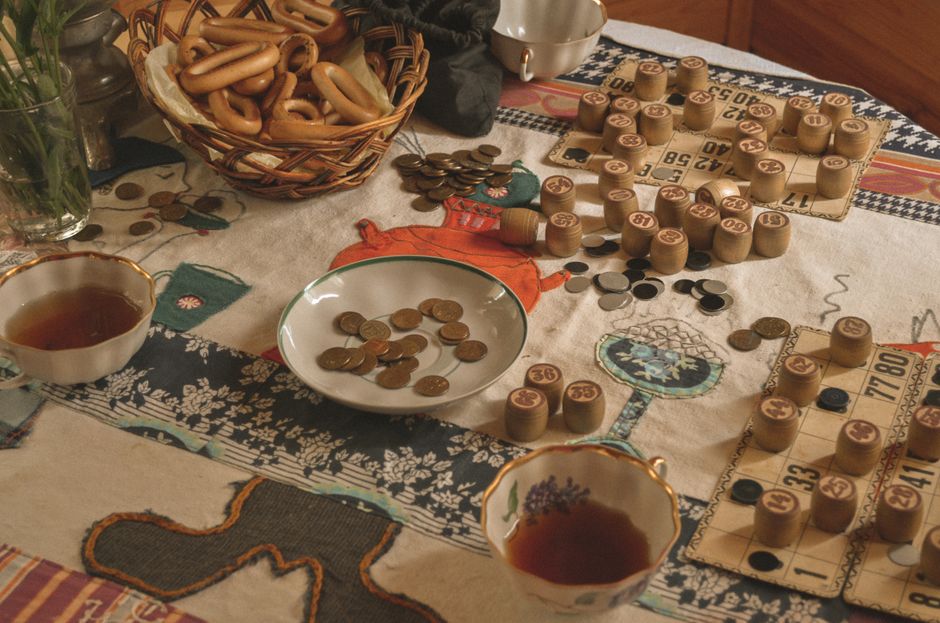
In a conventional game of bingo, players have cards containing numbers arranged in a grid. Numbers are drawn or called, and players mark off the matching entries. The goal is to complete a specified pattern or set of numbers before other players do, depending on the format and rules. The called-number structure gives the game its pace: each announcement offers a new possibility, while players check their cards and wait to see whether they are getting closer to a result.
That structure combines chance, attention and repetition. Players do not usually choose which numbers are called, but they do need to follow the calls and identify matches. The grid makes the information visible; the call creates a shared moment; and the pattern gives players a goal to track. A hybrid game can reuse one or more of these elements without keeping the whole system intact.
Borrowing an idea is not the same as copying a format
A useful way to think about hybrid games is as a spectrum. At one end is a standard bingo game presented through a screen or hosted in a venue: the medium may change, but the underlying rules remain bingo. At the other end is a game that uses a grid only as a visual menu, map or progress tracker. Between them are formats that retain bingo-like calls and matches but add new actions, choices or goals.
The important question is not just, “Does it have a grid?” It is, “What does the grid do?” If it is still a bingo card and players win by completing the familiar patterns under bingo rules, the activity is likely to be bingo in a new presentation. If the grid instead triggers choices, unlocks stages, supports a quiz or records team progress, it may be a different game using bingo-inspired design.
Grid matching: familiar shape, different job
Grid matching is one of the easiest bingo ideas to recognise and one of the easiest to adapt. A grid breaks information into clear, separate spaces. Players can scan it quickly, see what they have completed and understand what remains. That makes the format useful well beyond number-drawing games.
For example, a live quiz might give each team a grid of topics, images or clues. The host reveals prompts one at a time, and teams mark the relevant square before answering a question. A party game might use a grid of activities that guests complete in any order. A digital game could present a board of symbols that changes as players make decisions. Each example uses a grid to organise play, but the task is no longer simply to mark off called numbers.
I'll be honest with you: the rules around matching can also change. A game might ask players to find a sequence, connect neighbouring spaces, collect a set of related symbols or make a choice when a square lights up. In those cases, a match may be only one step in a longer process. It might earn a point, reveal a clue or open a new round rather than immediately determine a winner.
When the grid becomes a game board
Once squares have different functions, the grid can work more like a board than a bingo card. A player might select a square to choose a challenge, or a team might have to decide which section to pursue. That introduces strategy and agency: players are not only waiting for information to be called but deciding how to respond to it.
Designers can also alter the shape. A grid may be irregular, expandable or arranged as a map. Spaces might be connected by routes, grouped into categories or revealed gradually. These changes make the layout feel less like a traditional card and more like an interface for navigating a game.
Called numbers and the shared rhythm of play
The called-number structure is another powerful idea to borrow. In bingo, a caller announces a number, players check their cards, and the room reacts. That repeated pattern creates a steady rhythm: listen, search, mark and wait. A hybrid game can keep the rhythm while changing the content of each call.
A host might announce a clue, a word, a colour or an event rather than a number. Players could then find a matching item on a board, complete an instruction or make a decision. In a digital setting, a prompt might appear on screen instead of being spoken aloud. The essential design principle is the sequence: new information arrives, players interpret it, and the group sees what happens next.
But a call does not have to settle the result. It may simply move the game forward. A revealed prompt could start a timed challenge, ask a team to vote or give players a piece of information they need to combine with earlier clues. In bingo, calls are closely tied to marking a card and completing a pattern. In a hybrid game, calls can become triggers for many kinds of action.
75-ball and 90-ball: two different reference points
When a game borrows from bingo, it helps to know which bingo tradition it is echoing. The 75-ball and 90-ball formats share the basic idea of matching called numbers to a card, but their layouts and common winning patterns differ.
Feature 75-ball bingo 90-ball bingo Common card layout A 5-by-5 grid, often with a central free space Three rows and nine columns, with numbered spaces and blanks Typical pattern of play Players may aim for lines or a specified pattern on the card Play commonly progresses through one line, two lines and a full house Design cue a hybrid might borrow A compact, square board with varied pattern goals A longer progression with several milestonesThese are broad descriptions, not a substitute for a particular game’s rules. Variations exist, and platforms or venues may explain their own card layouts and winning conditions. For designers, however, the difference offers two distinct reference points. A 75-ball-inspired layout can suggest a compact pattern puzzle, while a 90-ball-inspired progression can suggest stages or successive goals.
A hybrid can borrow the visual language of either format without adopting its rules. It might use a 5-by-5 board but ask players to solve clues in any order. Or it might use a three-row layout to show progress through several rounds, rather than to award line wins. The resemblance can help players understand the interface, but clear instructions should explain what has changed.
Rearranged mechanics: what makes the game different?
Hybrid design often comes down to rearranged mechanics. Instead of importing bingo wholesale, a designer separates its parts and recombines them. The grid, calls, marking, pattern goals and social pacing can each be retained, altered or removed.
- Change the player’s action: players might answer, vote, choose a route or complete a task instead of simply marking a number.
- Change what counts as a match: a match might connect related clues, fit a category or satisfy a condition rather than correspond to a called number.
- Change the goal: players might collaborate to finish a shared board, earn points across rounds or unlock an ending.
- Change the pace: prompts could arrive in timed bursts, in response to player choices or at the speed of a live host.
- Change the role of chance: random calls might be combined with skill, discussion or strategic decisions.
Changing several mechanics at once can produce a distinctive game, but it can also make the rules harder to follow. The most successful designs usually give players a familiar starting point, then introduce each new idea in a manageable way. A grid may feel immediately understandable; the game still needs to explain whether players should mark, select, solve or discuss its squares.
New instructions make the difference legible
Clear new instructions are essential whenever a game uses familiar visual cues in an unfamiliar way. Players may assume that a bingo-like board works like the version they already know. If that assumption is wrong, even an inventive game can feel confusing or unfair.
Instructions should answer practical questions before play begins:

- What does each square represent?
- What happens when a prompt or call appears?
- Do players mark a square, select it or complete an action?
- Can a square be used more than once?
- How is progress measured, and what ends the round?
- Are players competing individually, in teams or as one group?
Good instructions do not need to be long, but they should be specific. “Match the clue to a square” is clearer when accompanied by an example. If the game uses familiar bingo terms such as “line”, “card” or “caller” in a new sense, it should define them. That small amount of explanation helps separate a deliberate adaptation from a confusing imitation.
Digital presentation and interface clarity
Digital delivery makes it easy to combine grids, calls, animations and player actions, but screens also create new design responsibilities. A physical card can be scanned at a glance. On a phone, the same board may be cramped, partly hidden by menus or difficult to distinguish from decorative graphics.
Digital interface menus should make the main actions easy to find. Players need to know where to view the board, access instructions, check the current round and change any relevant settings. Menus should not compete with the play area, and important controls should be labelled in plain language rather than relying on unexplained icons.
Status information is just as important. A screen can show which prompt is active, how much time remains, which squares have been completed, what the current objective is and whether a team is waiting for another player. If the rules have changed from familiar bingo, the interface can reinforce those changes with concise reminders at the moment they matter.
Accessibility is part of clarity. Text should be legible, colour should not be the only way to communicate a match, and animations or sound should not be the sole source of essential information. In a group setting, it can also help to display calls on a shared screen while offering individual views for players who need them.
The hall-based social atmosphere and shared rhythm
Not every hybrid game needs a screen. In a bingo hall, social atmosphere is part of the experience: players gather in one place, listen to the same host and respond to the same sequence of calls. That shared rhythm gives small actions a collective quality. A quiet check of a card can become a burst of laughter or excitement when the room reacts together.
A hybrid event can preserve that atmosphere while changing the activity. A host might use bingo-style calls to introduce quiz rounds, reveal audience prompts or move a group through a series of challenges. The grid can provide a shared reference point, while the live caller bingo culture in the UK maintains a human pace and encourages participation.
However, the social dimension needs attention. If players must stare at personal devices throughout, the room may lose the sense of shared attention that makes a hall-based event distinctive. Hosts can alternate between on-screen information and spoken prompts, leave time for conversation, and make sure people can follow the game without constantly checking a menu. The aim is not simply to digitise the card but to decide how the group should experience the game together.
Costs, access and platform differences
Price example: none stated. Costs should be discussed in general terms only; anyone considering a particular event or game should check the specific platform or venue for current pricing, fees, access requirements and any other applicable terms. Costs can vary according to the service, location, event format and what is included, so a general description cannot stand in for the details provided by the operator.
It is also worth checking practical access questions separately from price. A digital game may require a compatible device or account, while a hall-based event may have its own booking and participation arrangements. The platform or venue is the appropriate source for current, specific information.
How to tell whether a game is bingo or bingo-inspired
When assessing a hybrid game, look at the rules in action rather than relying on its marketing language. A bingo-inspired game may share the grid and the call-and-response rhythm, but it becomes meaningfully different when it changes the player’s task, the purpose of a match or the way a winner is determined.
- Identify the grid’s role. Is it a bingo card, a map, a menu, a quiz board or a progress display?
- Follow each call. Does it simply identify a number to mark, or does it trigger a new challenge or choice?
- Check the objective. Are players completing established bingo patterns, or pursuing another goal?
- Look at player agency. Do players make decisions that affect the route or outcome?
- Read the instructions. Do they explain the altered mechanics clearly and consistently?
A familiar framework, a new kind of play
Bingo’s appeal as a design reference lies in its simplicity. A grid makes progress visible, calls provide a regular flow of information, and a shared goal gives players something to anticipate together. Those features can support many kinds of entertainment, from a hosted social event to a digital puzzle or a team quiz.
But borrowing the framework is only the beginning. A hybrid game needs a clear reason to rearrange the mechanics, useful digital interface menus and status information where screens are involved, and instructions that explain the differences. It should also consider whether the experience is designed for solo attention or for the shared rhythm of a hall or group.
When those choices are deliberate, bingo-inspired design can feel both familiar and fresh. The grid may still invite matching, and the next call may still create anticipation, but the play that follows can belong to an entirely different game.