Why Do Audiences Like to Guess Along Even If They Can’t Affect the Outcome?
A contestant pauses over a final answer. A host raises an eyebrow. Somewhere on the sofa, a viewer calls out a guess before the reveal. The viewer cannot change what happens on screen, but that rarely stops them from playing along.
This small act is one of entertainment’s most durable pleasures. Audiences predict choices, solve clues and second-guess contestants in everything from quiz shows to reality competitions. The attraction is not necessarily the chance to win or influence the result. It is the feeling of being mentally involved while the story unfolds.
That experience can be described as a participation illusion: viewers know they are watching, not competing, yet the format gives them a satisfying sense of taking part. Simple rules, recognizable props, clear cues and opportunities to make a prediction all help create it. The best formats also understand the difference between adapting an experience for a new screen and merely shrinking the original version.
Guessing turns watching into a small game
Watching is usually a receptive activity: the audience sees what happens next. Guessing changes the rhythm. A viewer forms an idea, waits for the reveal and then checks whether that idea was right. Even when a guess is wrong, the process gives the moment a personal stake.
The stake is modest, but that is part of the appeal. A viewer does not need to master a complex strategy or commit to a long session. They can make one prediction, enjoy the suspense and move on. In a quiz show, that might mean answering a question from the sofa. In a reality competition, it might mean predicting who will be eliminated or which contestant a judge will choose.
These predictions also create a useful mental loop:
- Notice: The viewer sees a clue, choice or moment of hesitation.
- Predict: They decide what they think will happen.
- Wait: The show builds anticipation before revealing the result.
- Compare: The viewer checks their guess against the outcome.
That loop adds a layer of activity without interrupting the programme. Viewers can participate intensely for a few seconds or simply keep a prediction in mind while chatting with someone else. For social viewing, that flexibility matters: people can join in without needing to pause the show or learn a separate set of rules.
Simple rules make participation easy
A format that invites guesses has to make clear what the audience is being asked to do. If viewers spend more time decoding the rules than thinking about the answer, the opportunity to participate can disappear. Simplicity is not the same as lack of sophistication. It means the central task is easy to understand, even when the contestants’ challenge is difficult.
“Which answer is correct?” is instantly legible. So game show reveal moment is “Who will make the next choice?” The audience may not know the answer, but it knows what kind of answer to look for. That distinction lets viewers engage right away, even if they have just tuned in or are watching casually.
Simple rules also make a show easier to discuss. A viewer can ask, “What would you pick?” without needing to explain a complicated scoring system first. That question can turn a passive viewing moment into a conversation, which is one reason guessing works so well during social viewing. People may compare answers, argue for a favorite contestant or laugh at how confidently they got something wrong.
Instant comprehension creates more room for suspense
When a show establishes its rules quickly, it can spend more time on what viewers came to see: the decision, the reveal and the reaction. A familiar format lets the audience focus on the human details. Is the contestant bluffing? Did the judge notice the same clue? Is the player about to take a sensible risk or a spectacular one?
Viewers do not need to be right to enjoy making a prediction. In fact, uncertainty is essential. If every answer is obvious, guessing becomes routine. If the rules are completely opaque, it feels arbitrary. The sweet spot is a clear question with an uncertain outcome.
Props and cues teach viewers how to watch
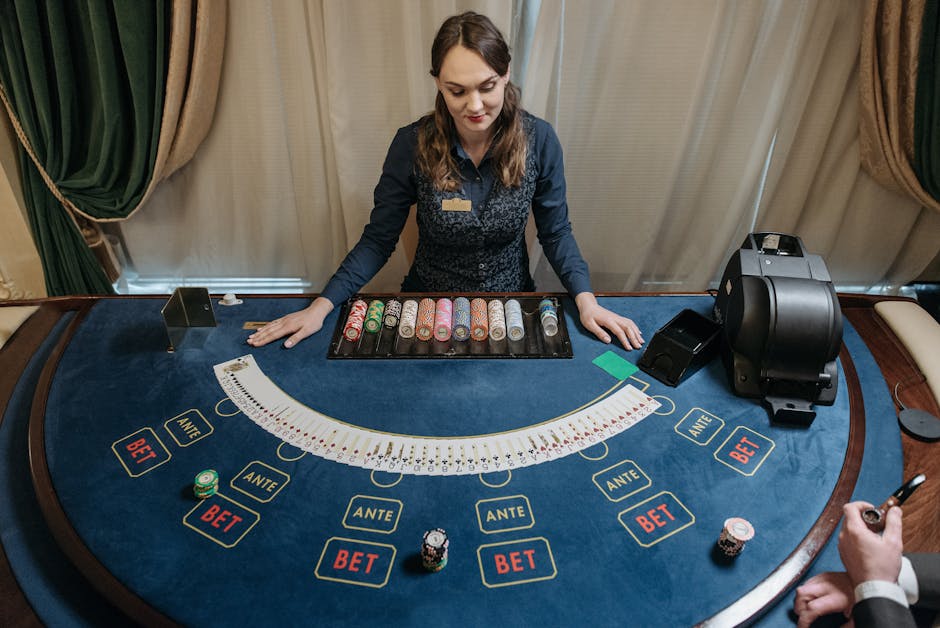
Audiences often recognize a format before anyone explains it. A podium, buzzer, numbered door, envelope or spinning wheel can communicate the kind of decision that is coming. These props act as visual shorthand. They tell the viewer where to look and what might happen next.
Sound and movement do similar work. A countdown can signal that a choice is urgent. A pause in the music can make a reveal feel important. A familiar chime may tell the audience that an answer is locked in. Animation and sound cues can make these signals even clearer, especially in digital versions where a small screen leaves less room for elaborate staging.
Such cues do more than decorate a show. They help viewers follow its structure. When a contestant reaches for a prop or a cue begins, the audience may recognize the next beat and prepare to predict the outcome. The anticipation becomes part of the entertainment: viewers know a decision is coming, but not what the decision will be.
Recognition is especially useful for people who join a programme late or watch while doing something else. A recurring visual language can quickly reorient them. They may not know every backstory, but they can still understand that a contestant is choosing between options or that a result is about to be revealed.
The participation illusion works best when the audience can keep up
The phrase participation illusion does not mean viewers are fooled into believing they control the show. Most understand perfectly well that the production has already recorded or determined what they are watching. The “illusion” is a pleasurable feeling of involvement, not a mistaken belief about power.
A show creates that feeling by leaving a little room for the audience’s own thought. It presents enough information to make a guess possible, then holds back the answer for a moment. The viewer’s prediction becomes a private mini-event, running alongside the contestant’s actual performance.
This is why timing matters. A reveal that comes too quickly gives viewers no opportunity to form an idea. A delay that goes on too long can feel like a stall. The most effective pause is long enough to let the audience think, but short enough to preserve momentum.
It also helps when viewers can understand why an outcome happened, even if they did not predict it. If a choice is explained clearly, the audience can learn from the reveal and make a better guess next time. That sense of progression keeps the experience engaging without requiring the viewer to affect the result.
Social viewing gives guesses an audience
A prediction is more fun when it can be shared. During social viewing, people call out answers, make friendly wagers or defend a contestant’s decision. The programme supplies a common reference point, while each person brings a different hunch. Disagreement becomes part of the entertainment.
That social layer can happen in a living room, in a group chat or in online comments. It does not require everyone to watch at the same time, either. A viewer can post a prediction before a reveal, then return to the conversation afterward to see who called it correctly.
In this setting, being wrong can be as entertaining as being right. A bold prediction may prompt teasing. A surprising answer can restart the discussion. The point is not always to prove expertise; it is to have something to say while the story is unfolding.
Media coverage contributes to that shared conversation, too. Outlets such as Associated Press can report on major entertainment developments for broad audiences, while specialist entertainment sites such as Leisurebyte can give fans another place to follow television news and discuss shows. Neither kind of coverage replaces the viewing experience. Instead, it can extend the conversation around it.
Adaptation is not the same as replication
When a familiar format moves from television to a mobile device or an interactive product, the goal should not simply be to copy every part of the original. A television studio has room for hosts, contestants, dramatic staging and long pauses. A phone has a smaller display and competes with notifications, other apps and the viewer’s limited attention.
That is where phone screen constraints become a creative consideration. Text must remain readable. Choices need to be easy to tap. Important information should not be hidden beneath decorative effects. A countdown or reveal that works across a studio screen may need a different visual treatment on a phone.
Adaptation asks what makes the format recognizable and enjoyable, then reshapes those elements for the new setting. Replication tries to reproduce the original experience as closely as possible, even when the new platform cannot support it. On a small screen, literal replication can result in clutter: tiny text, crowded controls or too much happening at once.
For example, an adaptation might retain a familiar choice-and-reveal structure while simplifying the interface, shortening instructions and using animation and sound cues to signal the next step. The design does not need to imitate every camera angle or studio flourish. It needs to preserve the core pleasure: understanding the choice, making a prediction and seeing what happens.
That principle applies across entertainment products, including casino-style adaptations. A company such as MrQ Casino operates in a different category from a television programme, but the same broad design question applies when familiar entertainment ideas move into digital formats: which cues help users understand the experience, and which details are merely copied for appearance? Clear instructions, readable screens and transparent expectations matter more than a superficial resemblance to a show. Any real-money gaming product also needs to be approached with awareness of its risks, rather than mistaken for a television game or a guaranteed way to win.

What designers and producers can learn
Whether the format is a broadcast competition, a companion app or a digital adaptation, a few principles help preserve the pleasure of guessing along:
- Make the task obvious. Viewers should know what they are being invited to predict.
- Show enough information. A guess needs clues, even if the answer remains uncertain.
- Use consistent signals. Props, animation and sound cues can guide attention without lengthy explanations.
- Respect the screen. Design for phone screen constraints instead of shrinking a television layout unchanged.
- Leave room for conversation. A good prediction prompt should be easy to share with someone else.
- Keep the reveal fair and understandable. Viewers should be able to see how the result follows from the rules.
These principles support different kinds of participation, from privately answering a quiz question to discussing a contestant’s choice with friends. They also help maintain trust. An audience can enjoy an outcome it cannot control, but it still wants to understand the rules of the game it is watching.
The pleasure is in the moment before the answer
Audiences like to guess along because prediction gives watching a little structure and a little personal meaning. The viewer notices a clue, forms an opinion and waits to see whether it holds up. The show does not have to hand over control. It only has to make space for the audience to think.
Simple rules make that space accessible. Props and cues help viewers recognize the format. Social viewing turns private guesses into shared conversation. And thoughtful adaptation carries the core experience onto new screens without assuming that a phone should behave like a television set.
In the end, the audience’s guess may not change the result. But it changes the experience of waiting for it. That is the appeal of the participation illusion: not control over the outcome, but a reason to lean forward before it arrives.