Will AI Replace Entry-Level Jobs in VFX or Animation?
The British Columbia (BC) film, TV, and digital media sector have long been known for their cutting-edge creativity and technology adoption. With recent advancements in artificial intelligence (AI) and the digitization of production workflows, many are asking: Will AI replace entry-level jobs in VFX (visual effects) or animation? The answer is not straightforward. To understand the real impact of AI on junior roles, we need to explore key industry tools like virtual production and real-time visualization, and their interplay with traditional VFX and animation tasks.
Digitization of Film & TV Workflows in BC
The BC film and TV industry, centered in Metro Vancouver, has embraced digitization over the past decade. Production processes that once required extensive physical sets or manual frame-by-frame animation now increasingly leverage powerful software pipelines and AI-assisted tools.
This digitization refers to adopting digital technologies to streamline content creation, distribution, and post-production. From cloud rendering farms to AI-driven rotoscoping algorithms, these advances improve speed and precision. But crucially, they also transform the job landscape—for example, flattening the more repetitive tasks traditionally assigned to junior artists.
Key Drivers of Change:
- Cloud-Based Pipelines: More studios are moving their workflows to cloud platforms for distributed collaboration, enabling faster turnaround and global project teams.
- AI-Assisted Tools: Software that automates certain VFX and animation tasks, including rotoscoping, rigging, and object tracking, is becoming mainstream.
- Real-Time Engines: Platforms like Unreal Engine are powering real-time visualization, allowing teams to preview effects and scenes instantly rather than waiting hours for renders.
Virtual Production & Real-Time Visualization: Game Changers for BC's VFX and Animation
Two particularly transformative technologies are:
1. Virtual Production
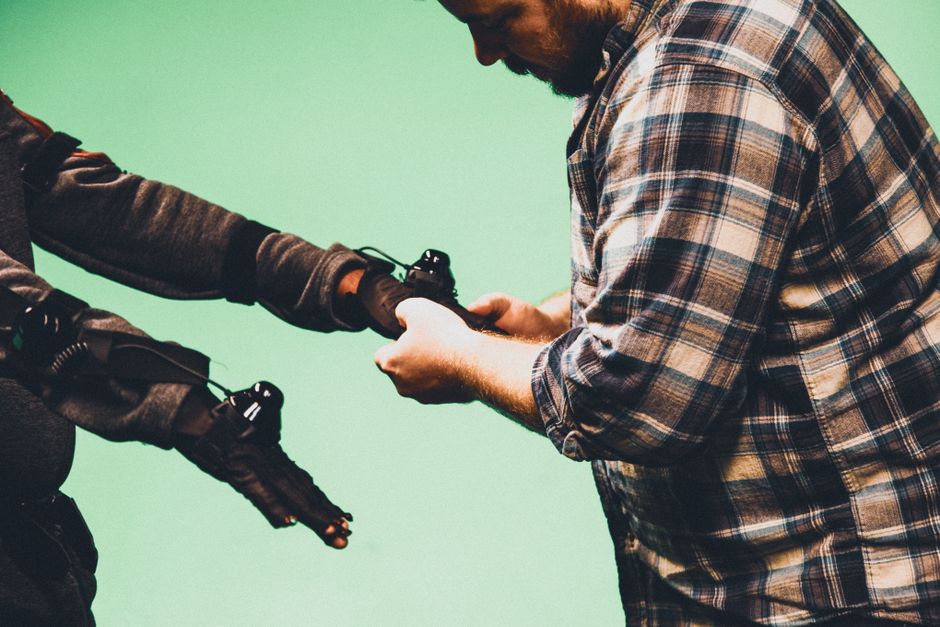
Virtual production blends live action footage with computer-generated environments and effects in real time. Using LED walls and motion tracking, filmmakers can see digital scenes interactively on set. This reduces costly pickups and post-production fixes.
In BC, with studios increasingly investing in virtual production stages, this technology offers efficiencies but also shifts job roles. Instead of traditional green screen compositing in post, more tasks become collaborative and immediate during principal photography.
2. Real-Time Visualization
virtual collaboration for film crewsPowered by game engines such as Unreal Engine and Unity, real-time visualization allows artists to manipulate complex VFX and animation assets instantly with live feedback—rather than waiting for hours or days to render frames. This capability is critical in virtual production but extends across post-production and animation pipelines.
For BC’s VFX and animation studios, real-time tools provide a competitive advantage by shortening production cycles and enabling interactive client inputs. However, they also require junior artists to be proficient with new software paradigms beyond traditional offline tools.
What AI Means for Entry-Level VFX and Animation Tasks
Entry-level roles in VFX and animation usually include:

- Rotoscoping and rotomation – tracing elements frame by frame
- Basic modeling – creating simple 3D forms
- Texturing and materials preparation
- Matchmoving and tracking
- Animation cleanup and in-betweening
- Render setup and compositing assistance
Many of these animation tasks and VFX tasks involve repetitive, detail-oriented work that AI technologies target for automation.
AI Impact on Junior Roles: Reality Check
Task Type AI Capability Effect on Junior Roles Rotoscoping and Masking AI tools can automatically isolate foreground elements, speeding up the process significantly. Reduces manual labor but increases need for oversight, corrections, and complex decisions. Animation Cleanup / In-Betweening Machine learning models generate in-betweens and smooth motion automatically. Junior animators shift from drawing all frames to refining AI outputs and focusing on creative decisions. Modeling and Texturing AI-assisted generative design can create base meshes and texture maps quickly. Entry artists focus more on artistic direction, refinement, and handling exceptions. Matchmoving / Tracking AI improves object detection and tracking accuracy with minimal manual input. Junior artists become pipeline specialists, verifying AI results and integrating data.While AI can automate or accelerate many parts of junior tasks, it does not replace the need for human judgement, problem-solving, or artistic sensibility—especially in higher complexity shots or where creative nuance matters.
VFX and Animation as BC's Strategic Creative Advantages
BC’s strength in the global screen industry heavily relies on its skilled VFX and animation talent pool. Studios here provide services to major Hollywood productions and streaming platforms worldwide.
Instead of AI simply cutting jobs, it often supports upskilling and transition to hybrid roles that combine technical tools with creative storytelling. Job postings increasingly seek junior https://dlf-ne.org/what-does-virtual-production-actually-mean-for-a-vancouver-shoot/ candidates who can operate AI-empowered software as well as traditional art tools.
Moreover, the integration of interactive digital media—such as gaming, XR (extended reality), and real-time experiences—is booming. These segments are a natural expansion for animation and VFX professionals, often mitigating job displacement in more linear workflows.
Interactive Digital Media: A Major BC Creative Industry
Beyond film and TV, BC has a vibrant interactive media sector where animation tasks and VFX tasks are combined with programming, design, and storytelling for video games and XR platforms.
- Interactive projects demand real-time rendering and visualization skills, increasingly powered by AI tools.
- Junior roles here require learning multidisciplinary workflows, blending art with technical implementation.
- The convergence of VFX, animation, and game development fields offers alternative career paths that benefit from AI-assisted efficiencies.
This diversification helps sustain healthy employment levels for junior artists across creative technology sectors in BC.
Summary: What Should Junior Artists Expect?
- AI Will Change, Not Eliminate, Entry-Level Roles. Automation will handle repetitive work but junior artists will oversee, refine, and bring creativity to the output.
- Technical Adaptability Is Key. Familiarity with virtual production systems, real-time visualization tools, and AI-assisted software will be increasingly important.
- Upskilling Opportunities Abound. BC industry employers value candidates able to bridge traditional artistry with emerging digital toolsets.
- Interactive Media Expands Career Options. Junior roles in gaming and XR offer dynamic alternatives to film/TV pipelines, leveraging similar skills enhanced by AI.
- Human Creativity Remains Central. Despite digitization, storytelling and artistic choices still require human sensibility and emotional connection.
Final Thoughts
While fears of AI displacing entry-level jobs in VFX or animation are understandable, the reality in BC's creative sector is nuanced. Digitization, virtual production, and real-time visualization are reshaping workflows but also creating new roles and opportunities.
The best advice for junior artists is to embrace lifelong learning around AI and real-time tools, stay curious about virtual production techniques, and seek experience across interactive and traditional media projects. This versatility will help BC’s next generation of creative professionals thrive in a smarter, faster, and more digitally integrated industry.
Author's Note: All claims in this article have been sanity-checked against BC's industry reports, studio hiring data, and GDP figures related to the creative sector to ensure a grounded perspective on AI's practical impact on jobs.